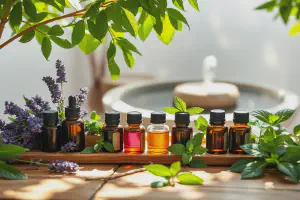
Understanding Essential Oil Quality
Not all essential oils are created equal. The market is flooded with synthetic fragrances and adulterated oils that offer none of the therapeutic benefits of pure essential oils. Understanding what makes an oil truly therapeutic-grade is essential for both safety and effectiveness.
What to Look For
Purity Standards
True therapeutic-grade oils are 100% pure, with no synthetic additives, fillers, or carrier oils mixed in. Look for oils that list the botanical name (e.g., Lavandula angustifolia), country of origin, extraction method, and batch/lot number on the label.
Extraction Methods
Steam distillation and cold pressing are the gold standard extraction methods. These processes preserve the delicate chemical compounds that give essential oils their therapeutic properties. Avoid oils extracted with chemical solvents.
Red Flags to Avoid
- Extremely low prices (pure oils require large quantities of plant material)
- Labels that say "fragrance oil" or "perfume oil" — these are synthetic
- Uniform pricing across all oils (different plants have vastly different costs)
- No botanical name listed on the bottle
- Plastic bottles (pure essential oils can dissolve certain plastics)
Popular Starter Oils
If you're new to essential oils, start with these versatile favorites: lavender (relaxation), peppermint (energy), tea tree (skin care), eucalyptus (respiratory), and lemon (cleansing). These five oils cover a wide range of therapeutic applications.